What Families Should Look For During a Care Assessment
For many families, arranging a care assessment can feel like a big step. It’s often one of the first real conversations about getting additional support at home, and it’s completely normal to feel unsure about what to expect.
A good care assessment should never feel rushed or impersonal. It should feel like a conversation — one focused on understanding the individual, their routines, and the type of support that could genuinely improve daily life.
For those exploring home care in Bedford, a care assessment is an important opportunity to ask questions, discuss concerns, and understand how support can be tailored to individual needs.

A Good Assessment Should Feel Personal
No two people are the same, and care should never be approached with a one-size-fits-all mindset.
A proper assessment should take time to understand:
daily routines
mobility and confidence
medical conditions
personal preferences
emotional wellbeing
The aim is not simply to create a checklist, but to build a clear picture of how someone is managing day to day and where support may help.
Understanding the Individual — Not Just the Tasks
One of the most important things families should look for is whether the conversation focuses on the individual as a person, not just the practical tasks involved.
Good care providers will want to understand:
what matters most to the individual
how they like things done
what helps them feel comfortable and independent
This personalised approach is a key part of high-quality home care in Bedford.
Discussing Current Challenges
The assessment should also explore any difficulties the individual may currently be experiencing.
This might include:
mobility concerns
forgetfulness
managing medication
personal care routines
feelings of loneliness or anxiety
Open conversations about these areas help ensure that support is both appropriate and realistic.
Looking at the Home Environment
In many cases, part of the assessment involves understanding how the individual is managing within their home environment.
This can help identify:
areas where mobility support may help
possible fall risks
routines that could be made easier or safer
The aim is always to support independence while improving confidence and safety at home.
Talking Through Care Options
A good care provider should clearly explain the different types of support available.
This may include:
companionship visits
help with meals and routines
personal care in Bedford
specialist dementia care in Bedford
temporary support following illness or hospital discharge
Families should leave the conversation with a clear understanding of the available options and what support may look like day to day.
There Should Never Be Pressure
One of the biggest signs of a good assessment is that families do not feel pressured.
Care decisions are important and often emotional. A professional provider will give families the information they need while allowing them time to make the right decision for their circumstances.
The assessment should feel supportive and reassuring — not sales-focused.
Asking Questions Is Important
Families should feel comfortable asking questions during the assessment process.
This might include:
how care plans are created
how carers are matched
how routines are managed
how communication works with families
Open, honest communication is a strong indicator of a high-quality care provider.
Why Families in Bedford Choose Bloom & Care
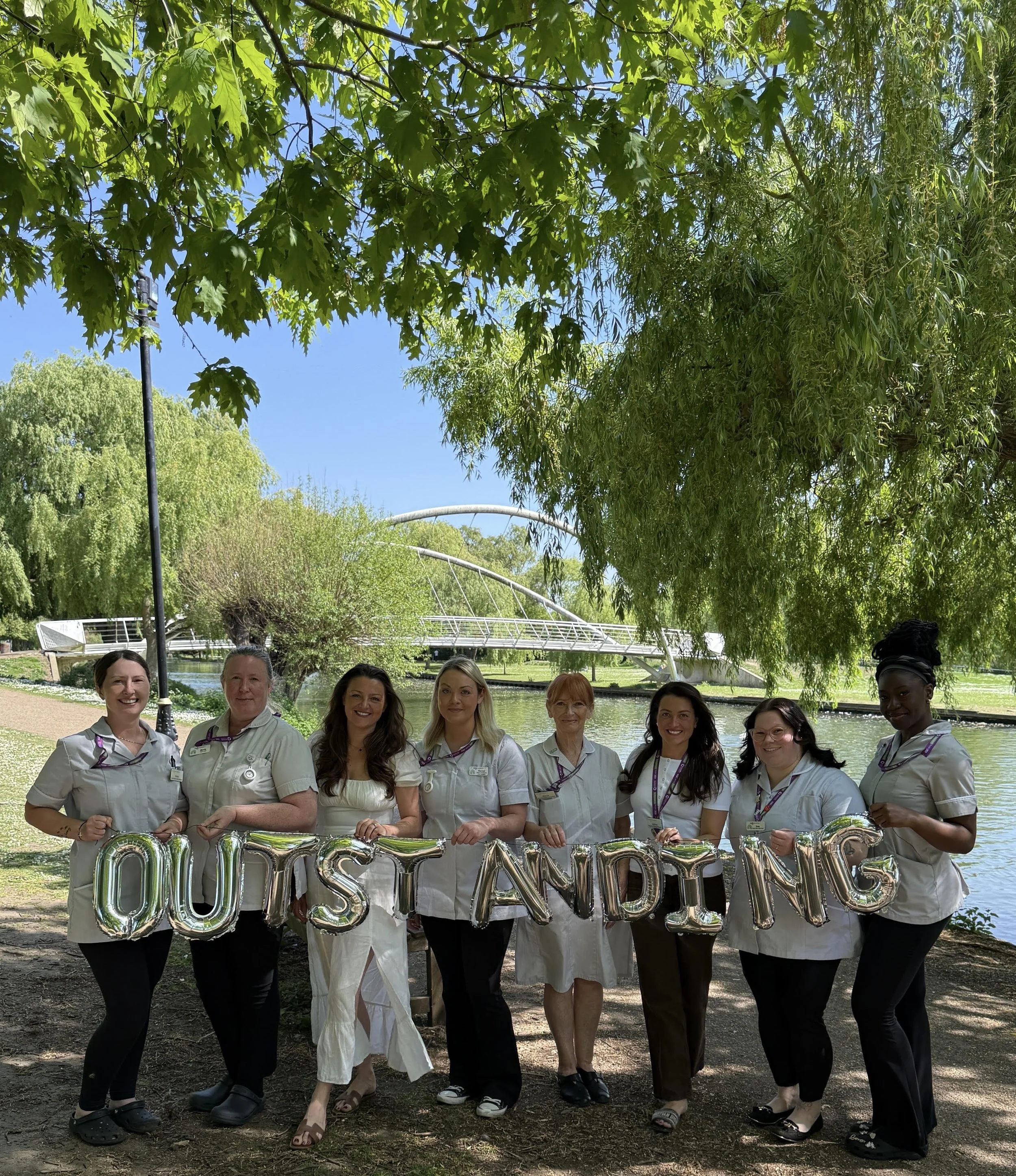
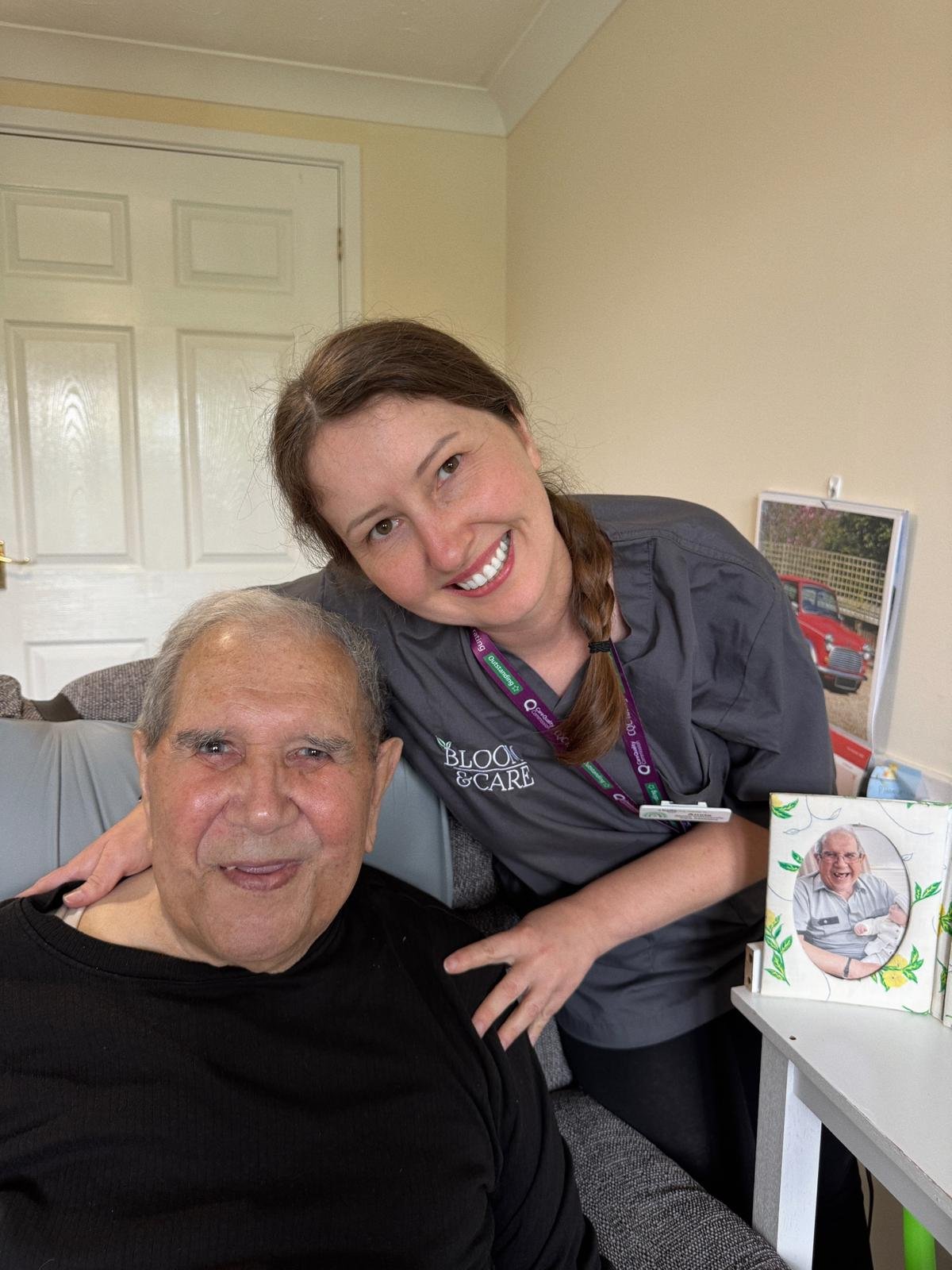
Bloom & Care is an award-winning, nurse-led provider offering home care in Bedford, including personal care in Bedford and specialist dementia care in Bedford.
We believe care assessments should feel calm, supportive, and focused on understanding the individual — never rushed or transactional.
Our approach is centred around creating care that fits naturally into everyday life.
Looking for Home Care in Bedford?
If you’re exploring home care in Bedford and would like to arrange a friendly, no-pressure conversation, our team is here to help.
We’re always happy to talk through your situation and answer any questions you may have.