


Useful News & Information
At Bloom & Care, our main aim is to support you throughout all aspects of your or your loved one’s life. Whether this is with friendly day-to-day care or our seasonal newsletters; we want to help.
On this page, you’ll find plenty of up-to-date news, information and articles surrounding all aspects of health & home care. From information about COVID-19 to dealing with Dementia, our blog posts will go a little bit further in helping you.

How Home Care Can Support Better Nutrition in Later Life
Eating well can become more difficult with age for many different reasons. Home care can provide practical support with shopping, cooking and mealtime routines while helping people retain choice and independence.

What Happens When Home Care Needs Increase?
Care needs can change gradually or quite suddenly. The right home care provider should be able to adapt support over time, helping people remain safe, comfortable and independent at home for as long as possible.

The Little Things That Matter Most in Home Care
The best home care is not only about practical support. Often, it is the small, thoughtful details that help someone feel comfortable, respected and truly understood.

What Makes Outstanding Home Care Different?
Outstanding home care is about far more than completing a list of tasks. It is built on trust, consistency, communication and a genuine understanding of the person receiving support.

Why Social Interaction Matters for Older Adults (And It's Not Just About Loneliness)
Social interaction offers far more than companionship. Staying connected with others can boost confidence, support mental wellbeing and help older adults continue living fulfilling, independent lives.

What Questions Should You Ask When Choosing a Home Care Provider?
Finding the right home care provider is about more than comparing prices. Asking the right questions can help you choose a service that offers consistency, compassion and peace of mind.
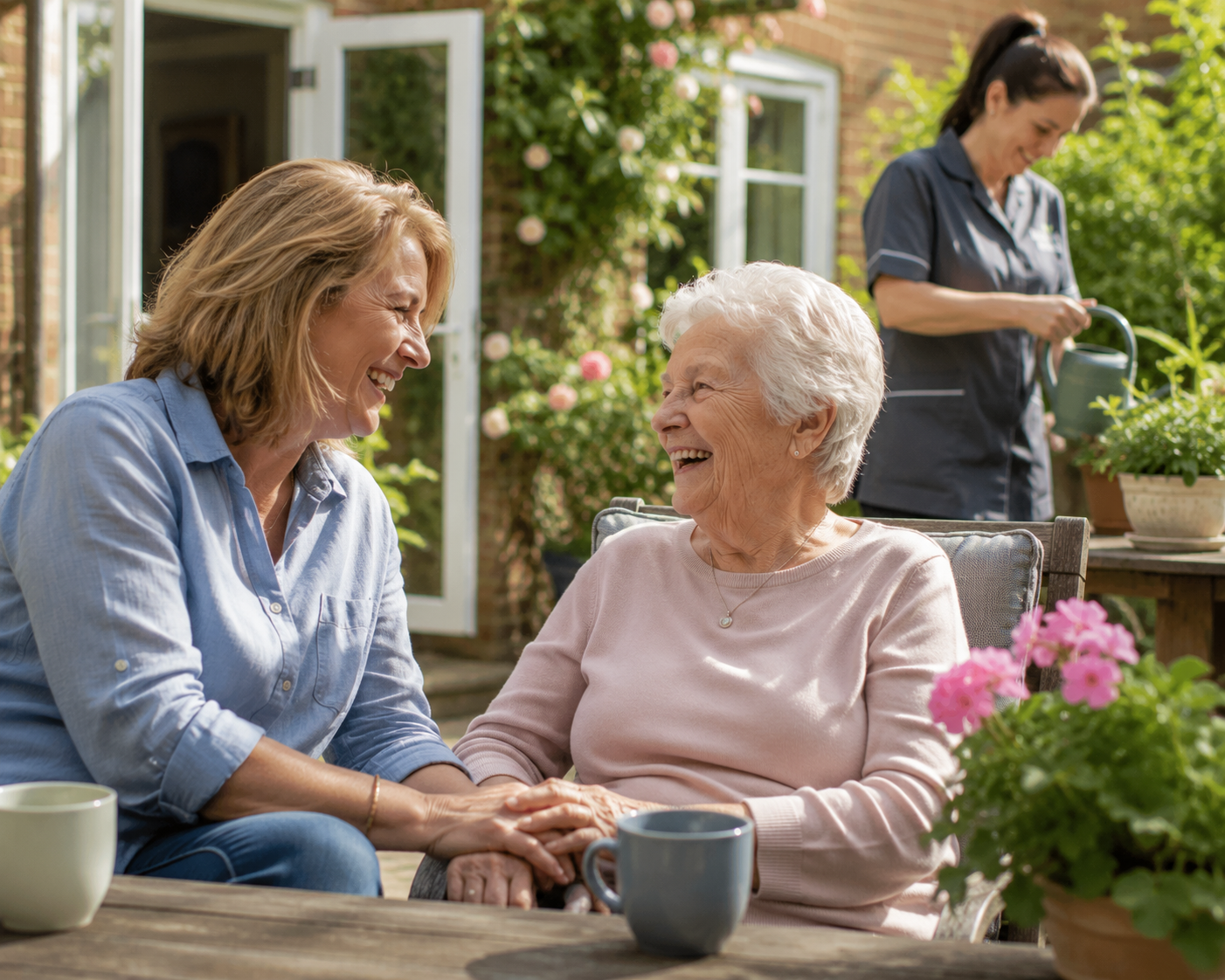
How Home Care Can Give Family Carers a Break (Without Feeling Guilty)
Family carers often put everyone else first. Learn how home care can provide valuable support while helping loved ones remain independent at home.
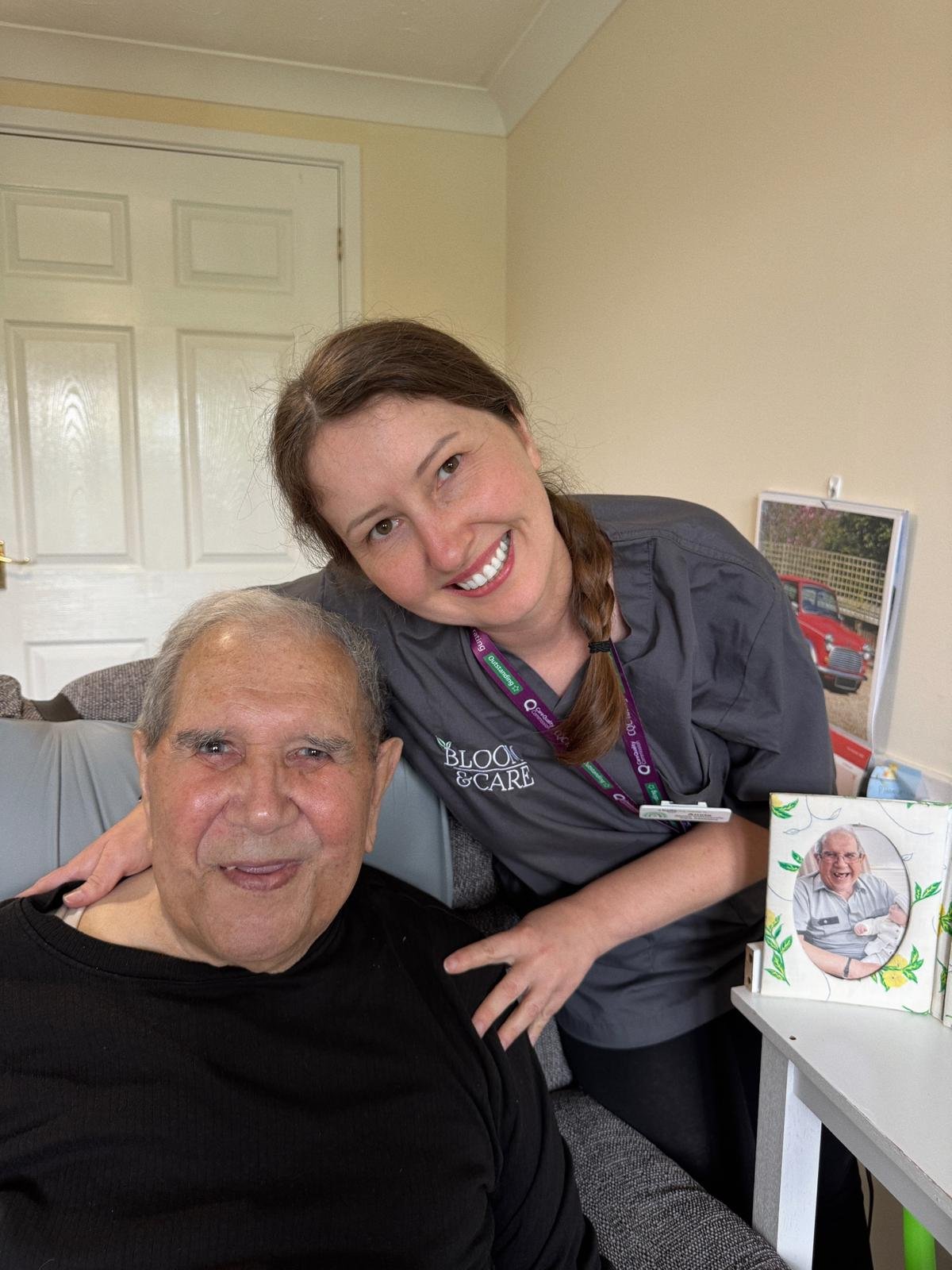
Why Hydration Is So Important As We Get Older
Many older adults don’t drink enough fluids without realising it. Discover why hydration is so important and how small changes can make a big difference to health and wellbeing.
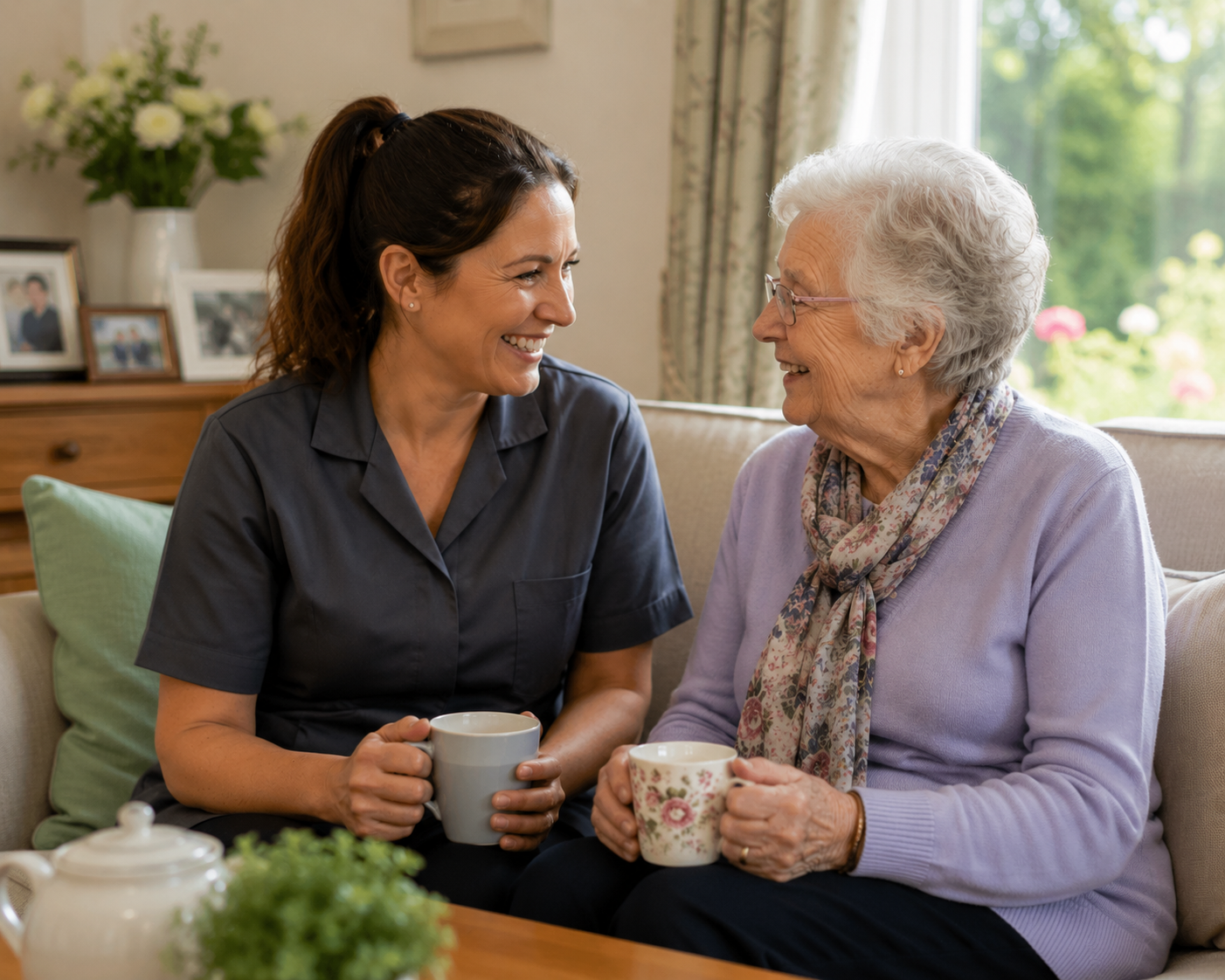
How We Match Carers With Clients
The best care starts with the right relationship. Learn how we match carers with clients to create personalised, consistent home care in Bedford.
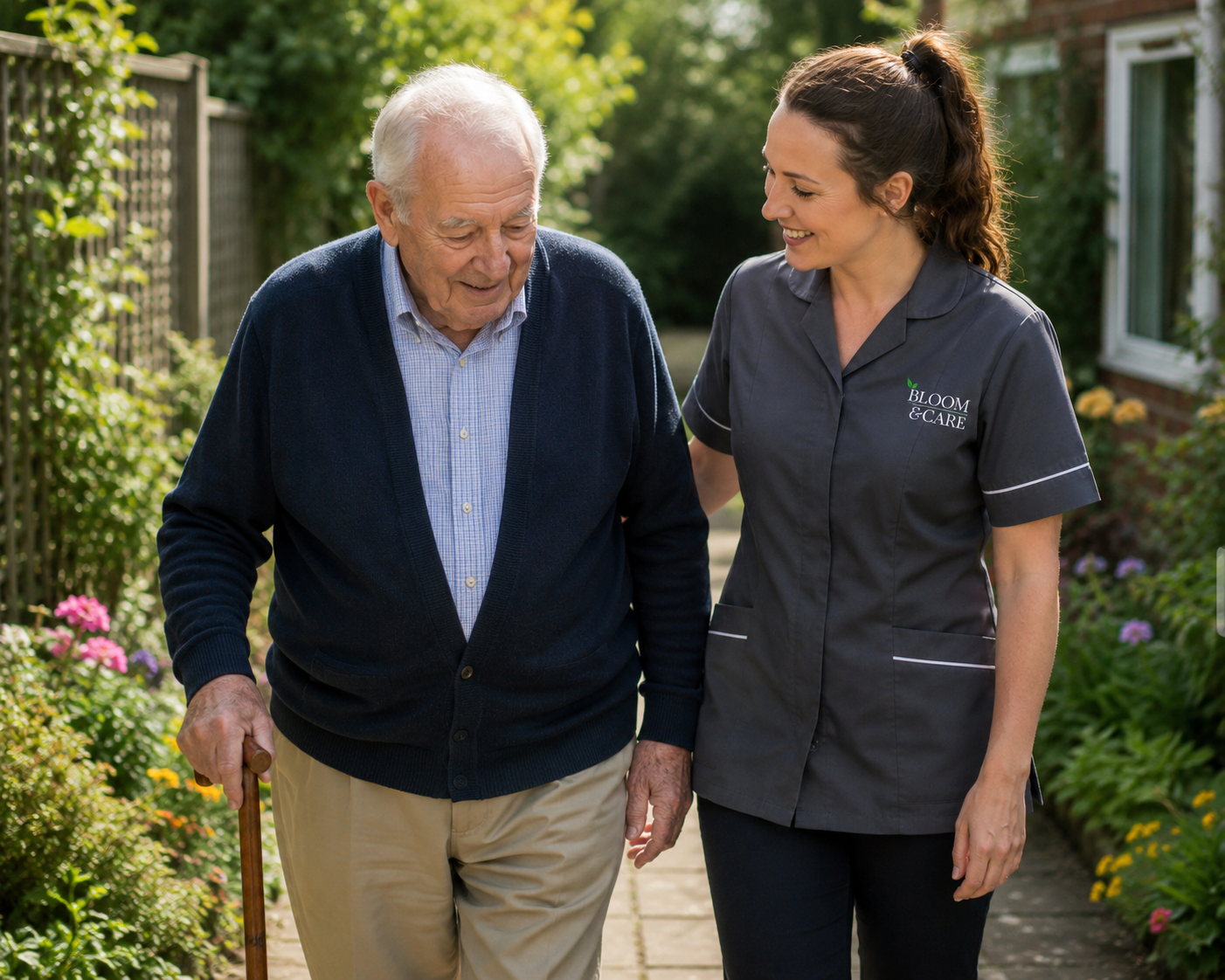
Can Home Care Help Prevent Falls?
Falls can have a significant impact on an older person’s confidence and independence. Learn how home care in Bedford can help reduce risks before accidents happen.

What Happens If Mum Refuses Care?
If a loved one refuses home care, you’re not alone. Learn why it happens, how to approach the conversation, and how gentle support can make all the difference.

How Home Care Can Support Couples Living Together
Learn how flexible home care in Bedford helps older couples remain independent, supported, and together in familiar surroundings.
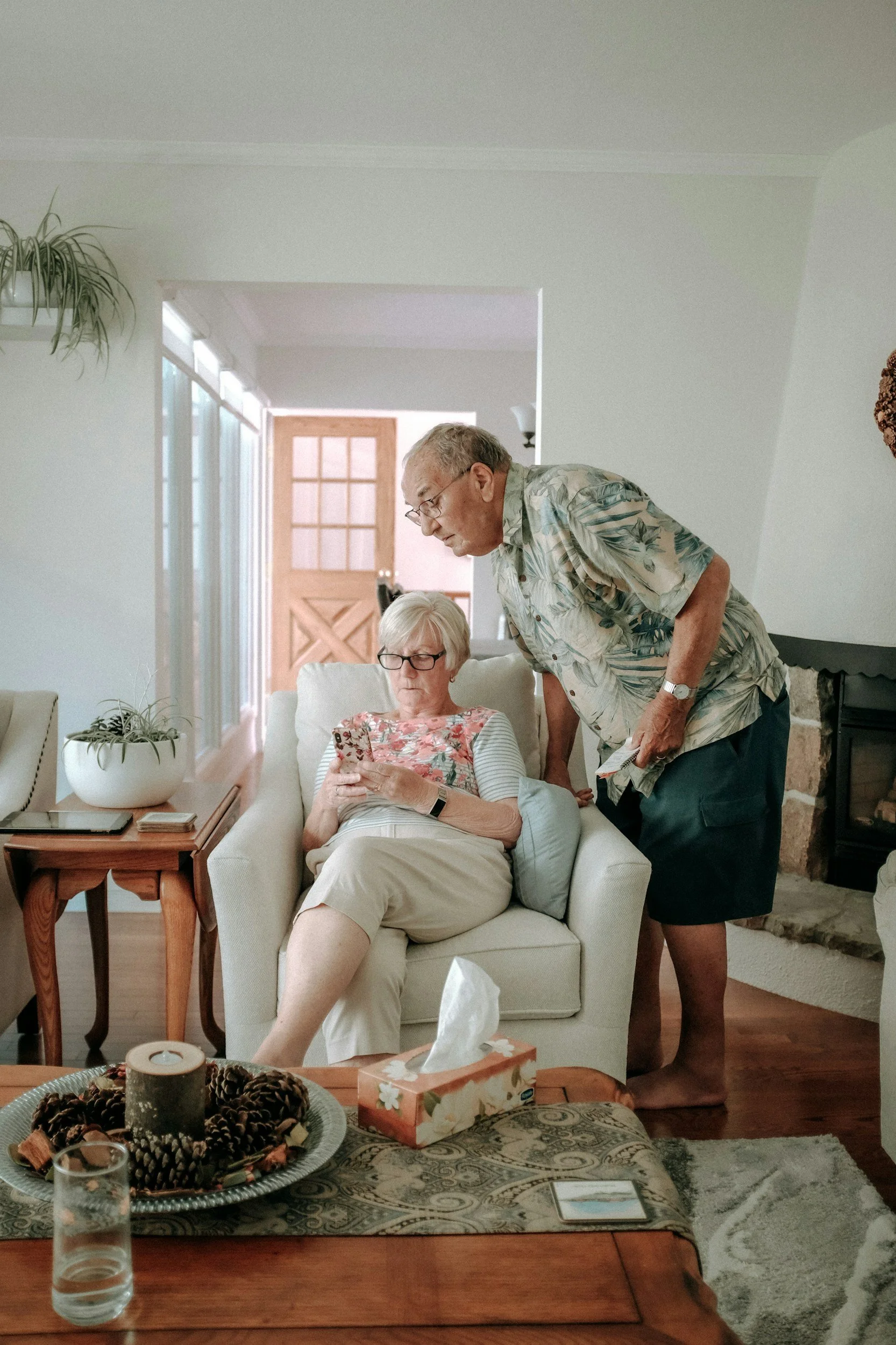
Why Routine Matters for Individuals Living With Dementia
Learn how routine and familiarity can support confidence, wellbeing, and independence for individuals receiving dementia care in Bedford.

How Companionship Care Can Improve Quality of Life
Learn how companionship care in Bedford can improve emotional wellbeing, confidence, and quality of life for older loved ones at home.

What Families Should Look For During a Care Assessment
Discover what families should look for during a care assessment and how home care in Bedford is tailored to individual needs and routines.

The Signs That an Older Loved One May Need Extra Support at Home
Discover the common signs that an older loved one may benefit from home care in Bedford, from mobility changes to loneliness and daily routines.

The Emotional Benefits of Staying at Home in Later Life
Discover the emotional benefits of staying at home in later life and how home care in Bedford supports comfort, independence, and wellbeing.

Can Home Care Help Prevent Hospital Admissions?
Learn how home care in Bedford can help prevent hospital admissions by supporting mobility, medication, nutrition, and overall wellbeing.
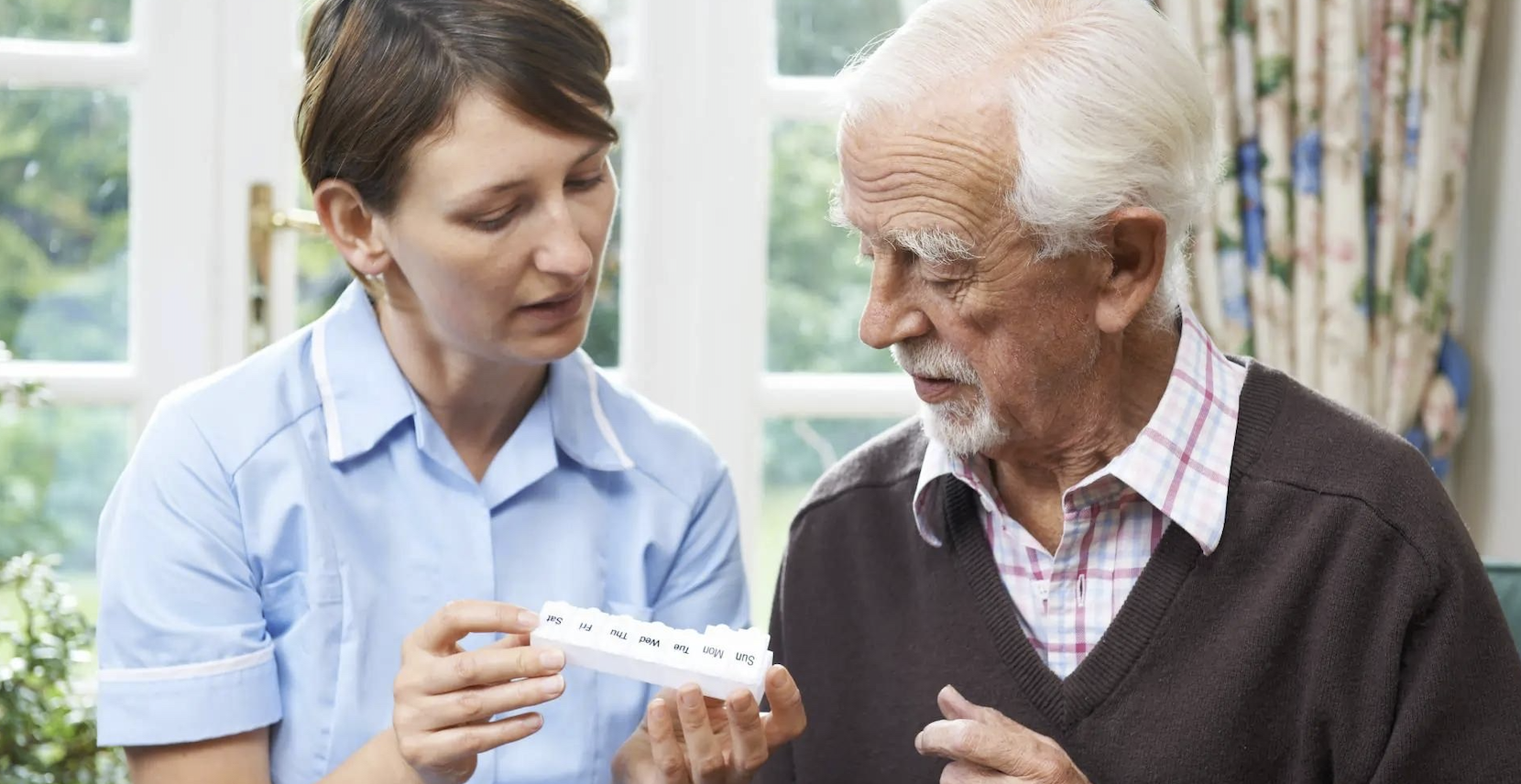
How Home Care Supports Recovery After Hospital Discharge
Returning home from hospital? Discover how home care in Bedford supports safe recovery, confidence, and independence after discharge.

What Does a Typical Home Care Visit Look Like?
Wondering what a home care visit looks like in Bedford? This guide explains what to expect and how care fits naturally into daily life.