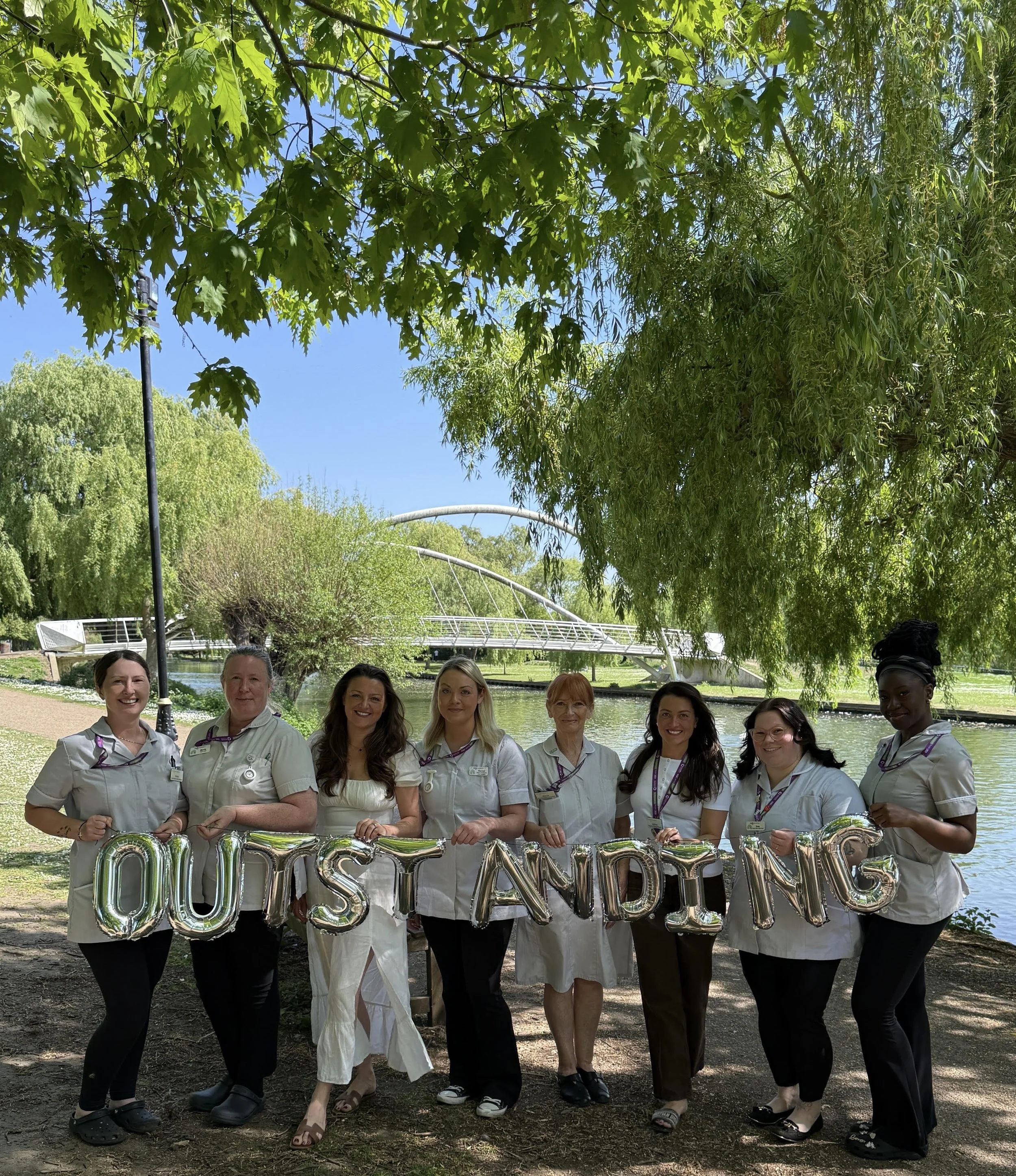
What Makes Outstanding Home Care Different?
When families begin looking for home care, many providers can appear quite similar at first glance. Most offer help with personal care, medication, meals, companionship and day-to-day routines, so it can be difficult to understand what genuinely separates one service from another.
The difference is often found not in the list of services being offered, but in the way those services are delivered. Outstanding home care should feel personal, reliable and reassuring. It should give the person receiving care confidence in their daily life, while also giving their family peace of mind that they are being supported with kindness, dignity and attention to detail.
Care That Is Truly Personal
Every person has their own routines, preferences, personality and way of doing things. Good care should never feel like a standard package applied in exactly the same way to everyone.
An outstanding provider takes time to understand the individual behind the care plan. This includes learning how they like their day to begin, what foods they enjoy, which activities matter to them, how they prefer to communicate and what helps them feel most comfortable.
These details may seem small, but they have a huge effect on how care feels. When support is shaped around the person rather than simply their needs, it helps them retain a sense of choice, control and familiarity.
Familiar Faces and Consistent Support
Consistency is one of the most important parts of home care. Seeing the same carers regularly helps build trust and allows meaningful relationships to develop over time.
A familiar carer is more likely to notice subtle changes in someone’s mood, mobility, appetite or general wellbeing because they know what is normal for that person. They also understand their routines and preferences without needing to ask the same questions during every visit.
This continuity can be especially important for people living with dementia, anxiety or more complex health needs, as frequent changes can sometimes feel confusing or unsettling. Outstanding care providers therefore make continuity a priority wherever possible.
Carers Who Feel Supported
The quality of care a person receives is closely linked to how well carers are recruited, trained and supported.
Outstanding providers do more than complete background checks and basic training. They invest in ongoing development, offer regular supervision and create a working environment where carers feel valued and able to ask for guidance.
When carers are properly supported, they are more likely to feel confident, motivated and able to provide thoughtful, compassionate care. This has a direct impact on the experience of clients and their families.
Good Communication With Families
Clear communication is essential, particularly when several family members are involved in someone’s care.
Families need to know that they will be kept informed about any concerns, changes or updates. They should also feel comfortable asking questions and raising anything that is worrying them.
An outstanding care provider communicates openly and responds promptly. This might involve regular reviews, telephone updates, digital care records or conversations with the care team. The exact method may vary, but the important thing is that families do not feel left in the dark.
Care That Adapts Over Time
Care needs rarely stay exactly the same. Someone may initially need help with a few practical tasks each week, but later require more frequent support, personal care or assistance with a health condition.
Outstanding home care should be flexible enough to adapt as circumstances change. Care plans should be reviewed regularly, and the person receiving care should remain involved in decisions wherever possible.
A responsive provider does not wait for a situation to become a crisis before making changes. Instead, carers and managers remain observant and work with families to adjust support at the right time.
Attention to the Smaller Details
The strongest care is often found in the smaller moments that are easy to overlook.
It might be remembering how someone likes their tea, noticing that they seem quieter than usual, checking that their favourite jumper is clean or making sure the curtains are opened in the morning. These actions are not always written into a care plan, but they can make someone feel known, valued and genuinely cared for.
This attention to detail is one of the clearest signs that care has moved beyond simply completing tasks.
Encouraging Independence
Outstanding care should not make people feel less capable. Its purpose is to help them remain as independent as possible.
That may mean offering a steadying hand rather than taking over, encouraging someone to prepare part of their own meal or supporting them to continue going out into the community. Even small opportunities to make choices and remain involved can have a positive effect on confidence and wellbeing.
The best carers understand when to step in and when to step back. They provide enough support to keep someone safe without unnecessarily taking away the things they are still able and willing to do.
A Proactive Approach
High-quality care is not only reactive. It should also help identify concerns before they develop into bigger problems.
A familiar carer may notice that someone is drinking less, walking differently, becoming more forgetful or losing interest in food. Spotting these changes early allows the care team and family to respond more quickly.
This proactive approach can help reduce risk, support better health outcomes and provide reassurance that someone’s wellbeing is being closely monitored.
Trust Is at the Heart of It
Inviting someone into your home to provide care is an important decision, and trust is central to the relationship.
Families need to feel confident that carers will arrive when expected, treat their loved one with respect and communicate honestly. The person receiving care needs to feel safe, comfortable and listened to.
Outstanding care is built gradually through reliability, compassion and consistency. It is not created by one impressive visit, but by the standard of every visit that follows.
More Than Completing Tasks
At its best, home care helps people continue living the life they know in the place they love. It supports routines, relationships, hobbies and independence, rather than focusing only on what someone can no longer do.
The practical side of care will always matter, but the way that support is delivered matters just as much. Outstanding home care should leave people feeling respected, understood and confident that their needs are being met by people who genuinely care.
How Bloom & Care Can Help
At Bloom & Care, we believe outstanding care begins with listening. As an independent, nurse-led home care provider in Bedford, we take time to understand each client’s needs, routines and preferences so that support feels personal from the very beginning.
Our focus is on providing consistent, compassionate care that helps people remain safe, comfortable and independent at home. We are proud to be rated Outstanding by the CQC, but the standard we value most is the experience of the people and families we support.
To find out more about home care in Bedford, contact Bloom & Care for a friendly, no-obligation conversation.