The Little Things That Matter Most in Home Care
When people think about home care, they often picture the practical side first: help with medication, meals, personal care, mobility or household tasks. These things are, of course, essential, but they are only one part of what makes care feel genuinely personal.
For the person receiving support, the smallest details can have just as much impact as the larger tasks. Being greeted warmly, having a favourite cup placed within reach or knowing that a carer remembers how they like their morning routine can make someone feel recognised rather than simply looked after.
It is often these details that turn a care visit into something reassuring, familiar and meaningful.
Knowing the Person, Not Just the Care Plan
A care plan provides important information about someone’s needs, routines and risks, but it can never capture everything about who they are.
People are shaped by their families, careers, interests, habits, memories and preferences. They may have a particular chair they always sit in, a radio programme they enjoy each afternoon or a specific way they like the curtains opened in the morning.
Taking the time to learn these details helps carers provide support that feels natural and respectful. It also shows the person receiving care that their preferences matter, even when they may need more help than they once did.
Familiar Routines Bring Reassurance
Home is filled with familiar rhythms. There is often a preferred order to the day, from the way breakfast is prepared to the time the television goes on in the evening.
When care begins, preserving these routines can be incredibly reassuring. A good carer does not arrive and unnecessarily change how everything is done. Instead, they work around the individual’s established habits wherever it is safe and practical to do so.
This is especially valuable for people living with dementia or anxiety, who may find sudden changes unsettling. Familiar routines can provide structure and help someone feel more secure in their own home.
Remembering the Details That Matter
Small acts of thoughtfulness can make a surprisingly big difference to someone’s day.
It might be remembering which mug they prefer, how strong they like their tea or where they keep the biscuits. It could be making sure the newspaper is nearby, putting food out for the birds or asking how a grandchild’s birthday went.
None of these actions is complicated, but they show that the carer has listened and remembered. Over time, this helps build trust and creates a relationship that feels genuine rather than transactional.
Taking Time to Notice
Good care involves paying attention, not only to what someone says but also to what may have changed.
A familiar carer might notice that a client seems quieter than usual, has eaten less, is moving differently or appears more tired. They may spot an unopened letter, an empty fridge or a change in the home environment that could indicate someone needs additional support.
These observations can be important, particularly when a person finds it difficult to explain how they are feeling. By noticing and communicating small changes early, carers can help families and healthcare professionals respond before a concern becomes more serious.
Conversation That Feels Genuine
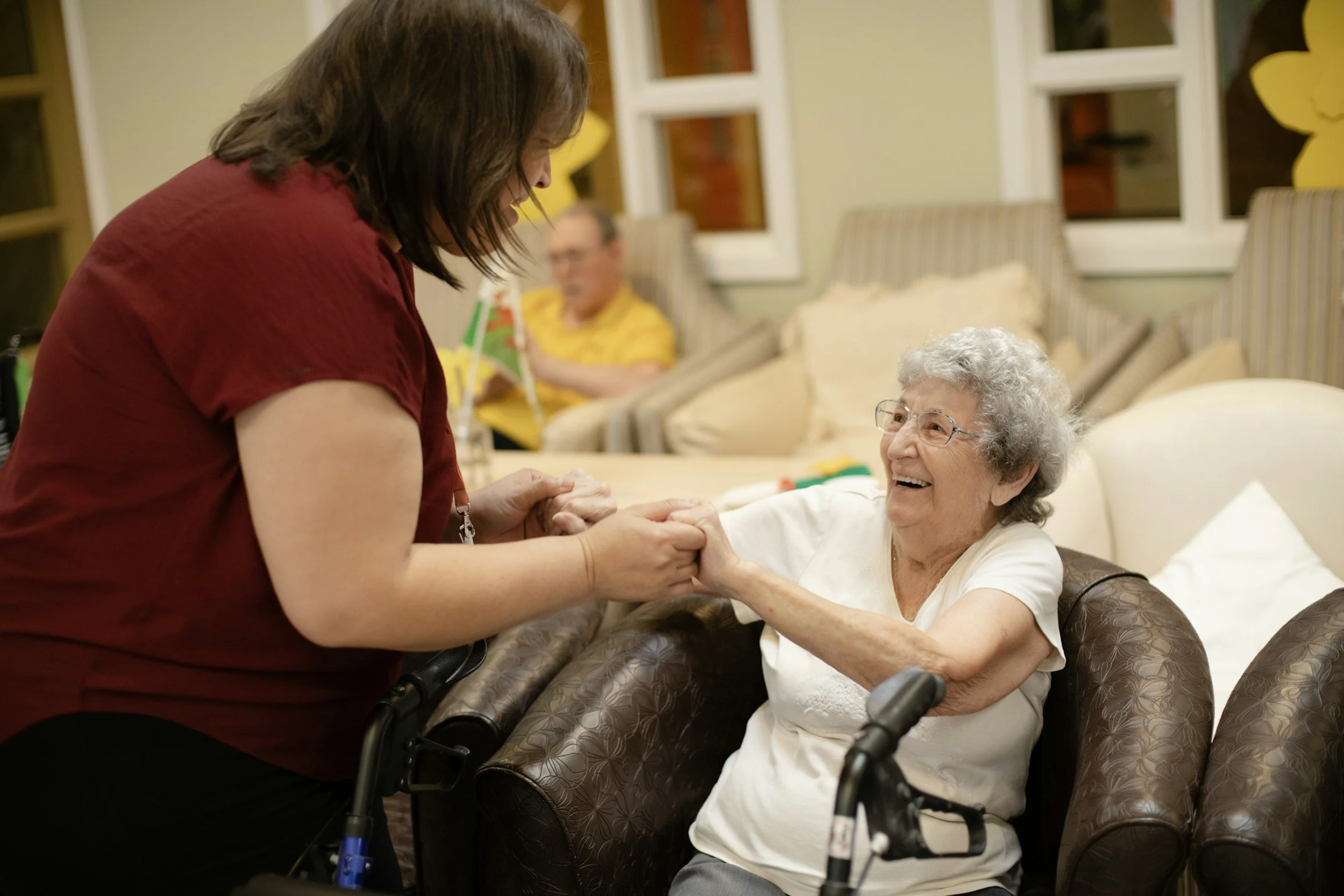
Companionship does not always need to involve a planned activity. Sometimes, the most valuable part of a visit is a natural conversation.
This might involve talking about old photographs, discussing the weather, laughing about something on television or simply listening while someone shares a memory. The subject itself is not always important; what matters is that the person feels heard and included.
When carers take a genuine interest in the people they support, conversation becomes more than polite small talk. It helps build connection, confidence and a sense of belonging.
Supporting Choices Throughout the Day
Choice is another detail that can easily be overlooked.
Asking which clothes someone would like to wear, what they would prefer for lunch or whether they would rather sit in the garden can help them retain a sense of control. These may seem like ordinary decisions, but they are an important part of maintaining independence and dignity.
Care should never feel like something that is simply done to a person. Even when someone needs significant support, there are usually opportunities to involve them in decisions and respect their preferences.
Making Home Feel Like Home
One of the greatest advantages of home care is that people can remain surrounded by the things that are familiar to them.
Their photographs are on the walls, their garden is outside the window and their memories are woven into every room. A thoughtful carer respects this environment and understands that it is not merely a workplace; it is someone’s home.
This might mean putting items back where they belong, treating possessions with care and avoiding unnecessary changes. These small acts help preserve a sense of comfort and normality.
Building Trust Over Time
Trust is rarely created through one grand gesture. It develops gradually through reliability, kindness and consistency.
Arriving when expected, following through on promises and remembering what matters to someone all contribute to that trust. Over time, the person receiving care begins to feel more comfortable asking for help, expressing preferences and sharing concerns.
For families, this trust also brings reassurance. Knowing that a carer understands their loved one as an individual can make the experience of arranging care feel far less worrying.
The Difference Between Support and Connection
Practical support makes daily life safer and more manageable, but genuine connection can make it more enjoyable.
The strongest care relationships often include both. A carer may help prepare lunch while chatting about family, support someone with mobility while encouraging them to remain involved, or assist with household tasks while noticing that a favourite plant needs watering.
It is this combination of practical care and personal attention that helps people feel valued rather than dependent.
Why the Little Things Are Not Really Little
A favourite mug, a shared joke or a familiar routine may appear insignificant from the outside, but for the person receiving care, they can represent comfort, identity and independence.
These details communicate a simple but powerful message: you are known, your preferences matter and you are being treated as an individual.
That is why the little things are not an extra part of good home care. They are often at the heart of it.
How Bloom & Care Can Help
At Bloom & Care, we understand that high-quality care is shaped by the details. As an independent, nurse-led home care provider in Bedford, we take time to learn about each client’s routines, preferences and the things that make home feel like home.
Our carers provide practical support with warmth, consistency and genuine attention, helping people remain comfortable, confident and independent in familiar surroundings.
To learn more about personalised home care in Bedford, contact Bloom & Care for a friendly, no-obligation conversation.