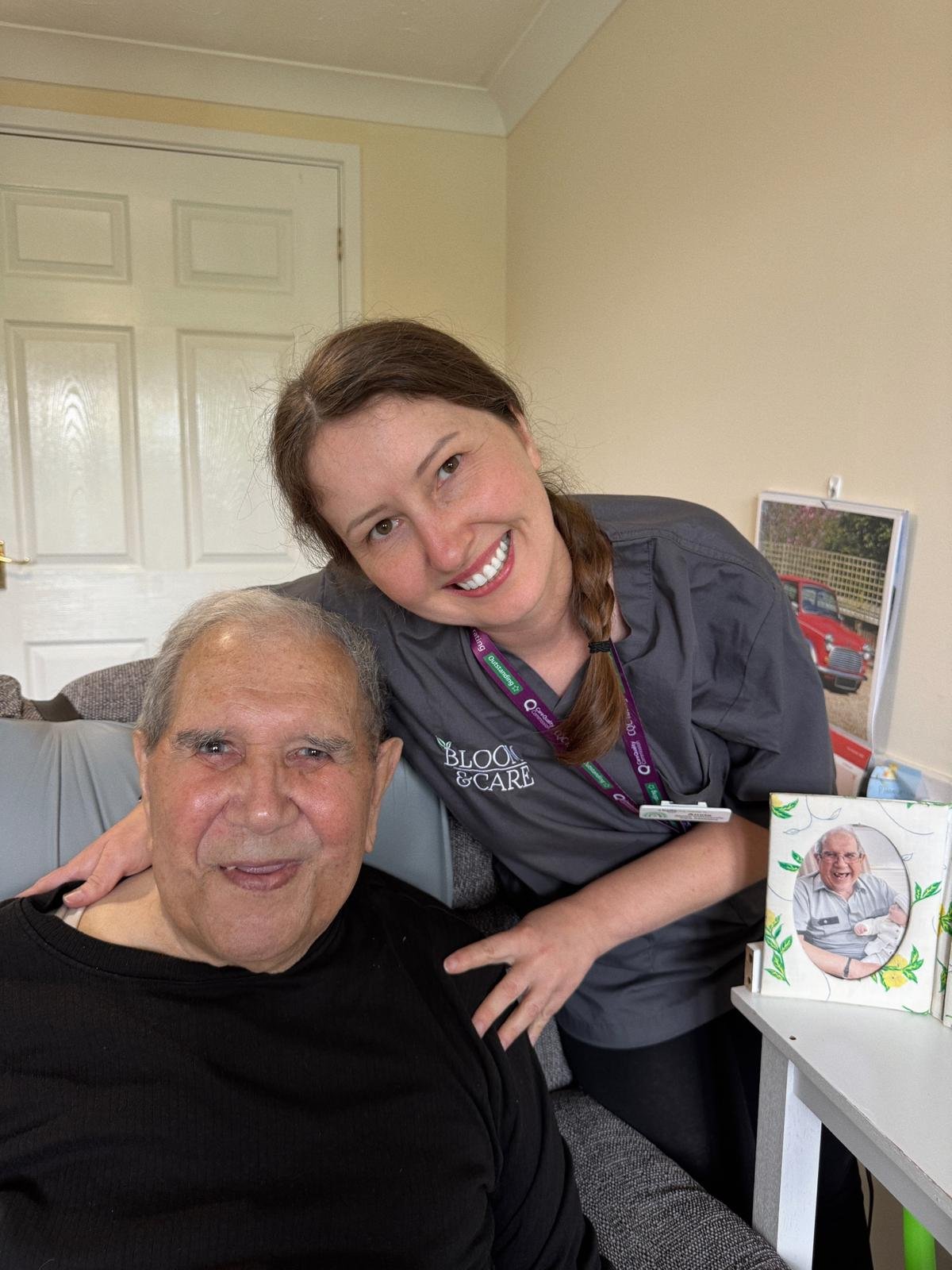
Why Routine Matters for Individuals Living With Dementia
Why Routine Matters for Individuals Living With Dementia
For individuals living with dementia, familiarity and consistency can make a significant difference to daily life.
Even small changes to routines or surroundings can sometimes feel confusing or overwhelming. This is why maintaining structure and familiarity often becomes an important part of effective dementia support.
For many families exploring dementia care in Bedford, creating stable daily routines can help individuals feel calmer, more confident, and more comfortable within their own home.
Familiarity Creates Reassurance
Living with dementia can sometimes make the world feel less predictable.
Familiar routines help reduce uncertainty by creating structure throughout the day.
Simple habits such as:
having meals at consistent times
following familiar morning routines
seeing the same carers regularly
maintaining favourite activities
can all help create reassurance and stability.
These familiar patterns often provide comfort even when memory changes become more noticeable.
Reducing Anxiety and Confusion
Unexpected changes can sometimes increase feelings of confusion or anxiety for individuals living with dementia.
A consistent routine helps reduce the need to process unfamiliar situations throughout the day.
This can help individuals feel:
calmer
more settled
more confident within their environment
For many people receiving home care in Bedford, maintaining routine is one of the key ways care can support emotional wellbeing.
Supporting Independence
Routine also plays an important role in maintaining independence.
When daily activities happen in a familiar way, individuals are often able to remain more involved in tasks and routines for longer.
This may include:
preparing simple meals
getting dressed
taking part in hobbies
helping with everyday activities
Maintaining these familiar routines can help preserve confidence and a sense of identity.

The Importance of Familiar Faces
Consistency in carers is another important part of dementia support.
Seeing familiar people regularly helps build trust and reduces feelings of uncertainty.
Over time, familiar carers begin to understand:
personal routines
communication preferences
comforting habits
what helps the individual feel relaxed and reassured
This relationship-focused approach is an important part of high-quality dementia care in Bedford.
Home Can Be the Most Comforting Environment
Remaining at home often helps support routine naturally.
Familiar surroundings, photographs, furniture, and everyday habits can all help individuals feel more comfortable and secure.
This is one of the reasons many families choose home care in Bedford for loved ones living with dementia.
Home provides familiarity that can be difficult to replicate elsewhere.
Flexibility Within Routine
While routine is important, good dementia care should never feel rigid.
Support should adapt naturally around the individual’s needs, preferences, and how they are feeling each day.
The aim is to create reassuring structure while still allowing individuals to feel comfortable and respected.
Supporting Families Too
Dementia affects entire families, not just the individual.
Having professional support in place can help reduce pressure on relatives while providing reassurance that routines and wellbeing are being supported consistently.
For many families, this peace of mind becomes invaluable.
Why Families in Bedford Choose Bloom & Care
Bloom & Care is an award-winning, nurse-led provider offering specialist dementia care in Bedford, alongside home care in Bedford and personal care in Bedford.
Our approach focuses on creating calm, familiar routines that help individuals feel safe, comfortable, and supported within their own home.
Looking for Dementia Care in Bedford?
If you’re exploring dementia care in Bedford and would like advice about support at home, our team is here to help.
We’re always happy to have a friendly, no-pressure conversation about your situation and the support available.