What Happens If Mum Refuses Care?
It’s one of the most common conversations families have.
You’ve noticed that Mum isn’t quite managing as well as she used to. Perhaps she’s becoming forgetful, struggling with household tasks, or simply doesn’t seem as confident living independently. Naturally, you want to help.
But when you gently suggest home care, the answer is immediate.
“I don’t need strangers in my house.”
If this sounds familiar, you’re certainly not alone.
Many families exploring home care in Bedford experience exactly the same situation. The good news is that refusing care doesn’t necessarily mean someone will never accept support. Often, it’s simply a natural reaction to change.
Why Do Older People Refuse Care?
For many older adults, accepting help can feel like admitting they’ve lost some of their independence.
They may worry about:
Losing control over their daily routine.
Having unfamiliar people in their home.
Becoming a burden on their family.
Being judged or treated differently.
The cost of receiving care.
In many cases, these concerns are based on fear rather than the reality of what modern home care looks like.
Understanding what’s behind the refusal is often the first step towards finding a solution.
Try to Understand Before You Persuade
When emotions are running high, it’s natural to want to convince a loved one that they need support.
However, repeatedly telling someone they can no longer cope rarely has the desired effect.
Instead, try asking gentle questions.
“What worries you about having someone visit?”
“Is there anything that would make you feel more comfortable?”
Listening first often opens the door to a much more positive conversation.
Start Small
One of the biggest misconceptions about home care is that it has to begin with daily visits or significant support.
In reality, many people begin with something much simpler.
It could be:
One companionship visit each week.
Help preparing lunch.
Support with shopping.
A walk around the local area.
Someone to enjoy a cup of tea and a chat with.
Starting with light support allows trust to develop naturally and often helps people realise that accepting help doesn’t mean losing their independence.

Give Them a Sense of Control
No one likes feeling that decisions are being made for them.
Where possible, involve your loved one in every conversation.
Allow them to ask questions, share concerns, and have a say in how support is introduced.
When people feel listened to rather than pressured, they’re often much more open to accepting help.
Familiar Faces Make a Difference
One concern we hear regularly is:
“I don’t want lots of different people coming into my home.”
It’s a completely understandable worry.
That’s why consistency is so important.
Seeing familiar carers helps build trust, reduces anxiety, and allows genuine relationships to develop over time.
For many people, those familiar visits soon become something they genuinely look forward to.
It’s Okay if the First Answer Is “No”
Families often feel they need to solve everything immediately.
The reality is that accepting care can be a gradual process.
Someone who says “no” today may feel very differently after a few weeks or months, particularly if they’ve had time to think about what support could actually look like.
Patience, reassurance, and gentle conversations often achieve far more than pressure.
How Bloom & Care Can Help
At Bloom & Care, we understand that deciding to accept care is a significant step.
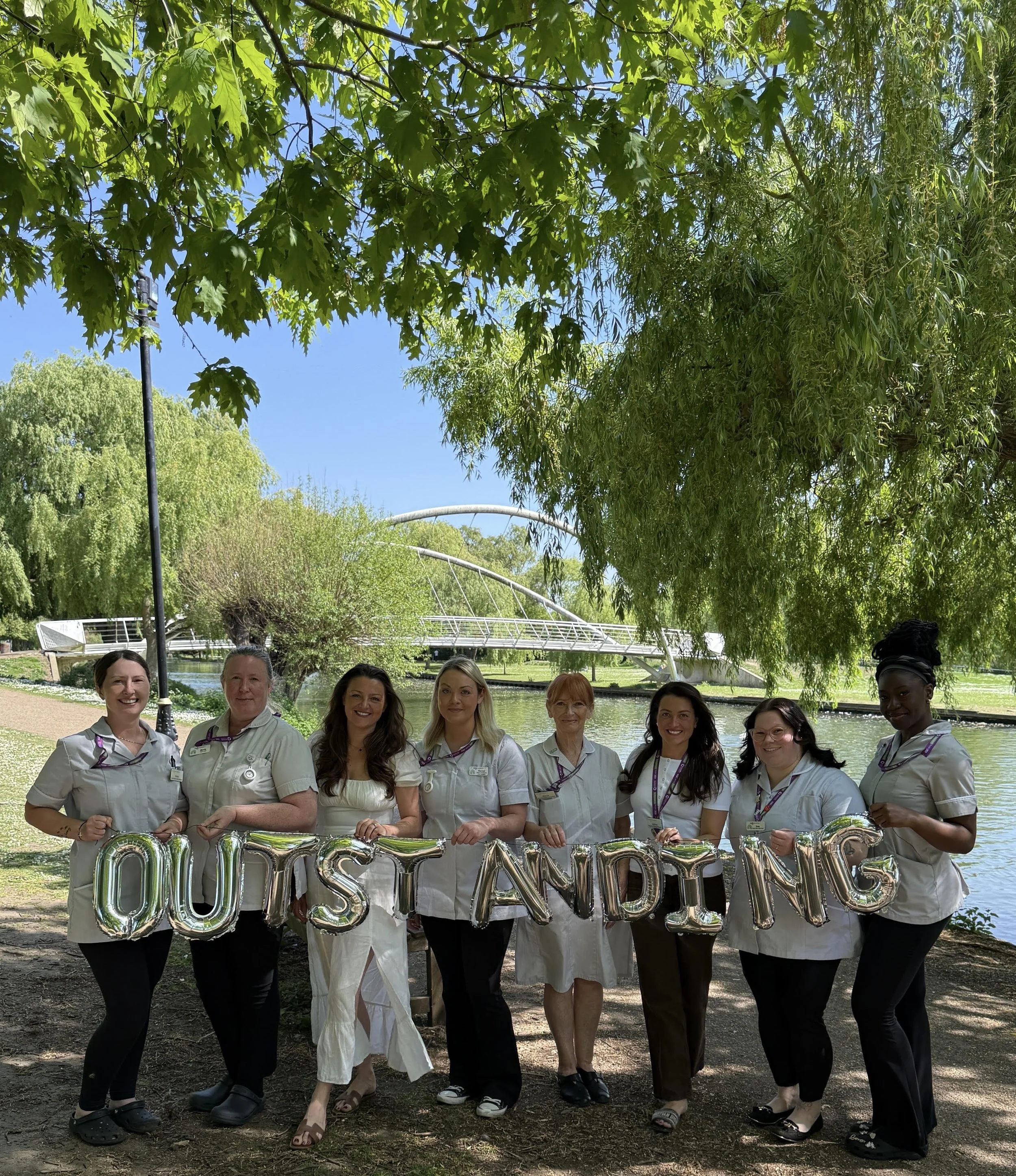
As an award-winning, nurse-led provider of home care in Bedford, we take the time to get to know every individual and understand what matters most to them.
Whether someone needs companionship, personal care in Bedford, or specialist dementia care in Bedford, our approach is always centred around building trust, maintaining independence, and providing support that feels natural rather than intrusive.
Looking for Advice?
If you’re worried about a loved one who keeps refusing help, we’d be happy to have a friendly, no-pressure conversation.
Sometimes simply talking things through with an experienced member of our team can help families feel more confident about the next step.